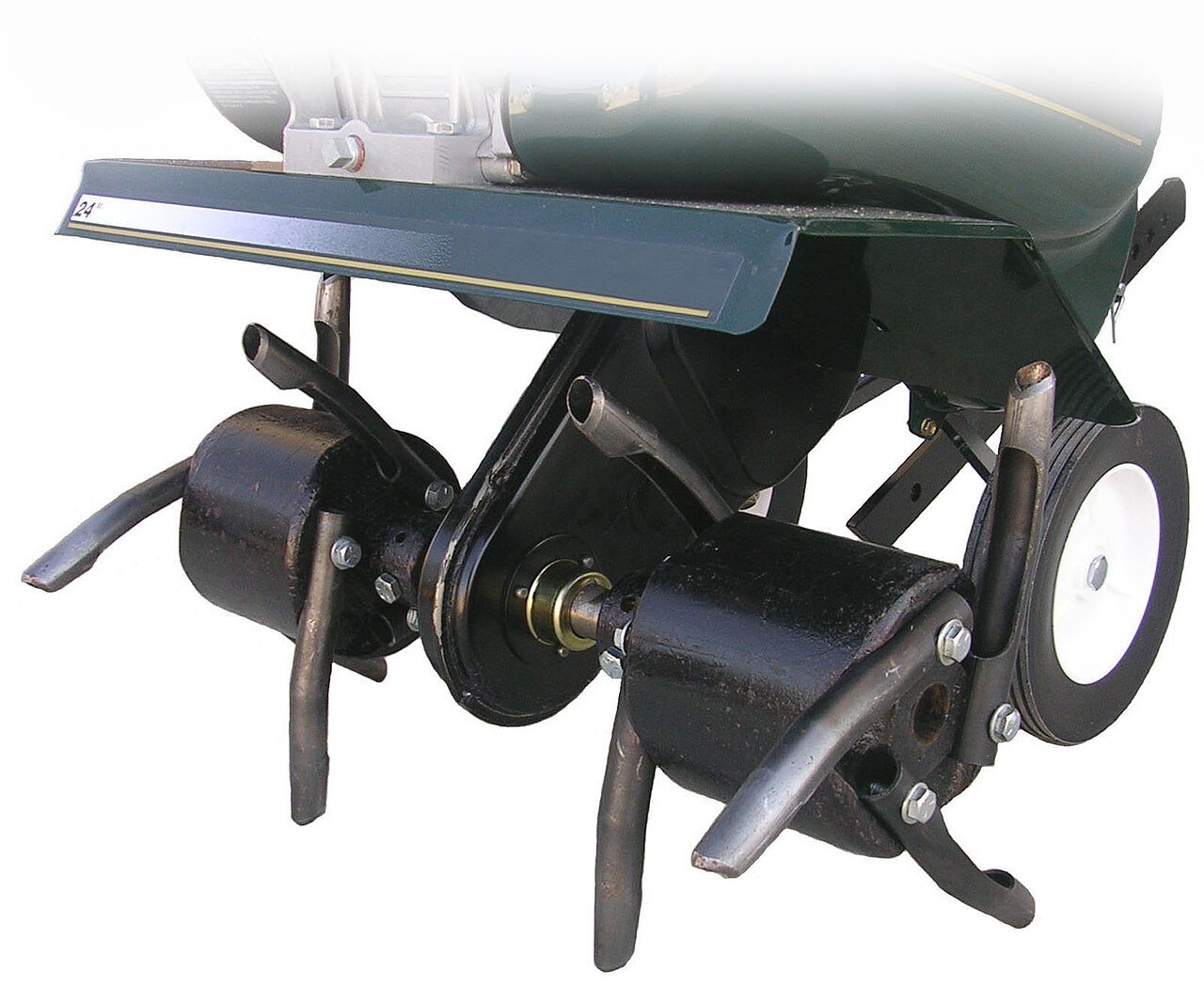
Lawn Aerator: Plug vs Spike, Timing and Aftercare
A lawn aerator opens holes in turf so air, water and fertilizer reach the root zone. The type you pick decides whether the job helps. A plug aerator removes soil cores and relieves compaction. A spike aerator only pushes soil aside. Pick the plug model, time it to your grass type and treat the week after aerating as part of the job.
A plug lawn aerator pulls soil cores from the ground, which opens space for air, water and roots. A spike aerator only pokes holes and presses soil tighter around them. Choose a plug model, make one pass on most lawns, and add crossing passes where the soil is hard. A badly compacted lawn can take 3 to 5 passes.
Lawn Aerator Basics: What Aeration Does and Who Needs It
Aeration removes small columns of soil and leaves open holes behind. Those holes break up packed ground, let water soak in instead of running off, and give roots room to spread. The University of Wisconsin Extension notes that aeration helps manage thatch buildup and reduces problems caused by soil compaction.
Your lawn needs it when water puddles after rain, a screwdriver is hard to push into moist soil, or grass thins along paths and play areas. Thatch is the other signal. A thin layer of 1/2 inch or less protects the lawn against heat, cold and swings in soil moisture. More than an inch will likely lead to turf problems, and compacted soil has low microbial activity, so thatch keeps building there. Loose sandy soil rarely compacts and seldom needs aeration.
Best Month to Aerate Your Yard
Aerate cool-season grass such as Kentucky bluegrass, tall fescue and perennial ryegrass in early fall. The grass grows actively, weed pressure drops, and roots recover before winter. Early spring is the backup window. Warm-season grass such as Bermuda, zoysia and St. Augustine gets aerated in late spring to early summer, when it has greened up and grows fast.
Never aerate dormant or drought-stressed turf. The grass cannot fill the holes, and the open soil dries out further. By late November the fall window has closed for most northern lawns, so plan for early spring or the next September.
Plug vs Spike Lawn Aerator: Which Is Better?
A plug aerator, also called a core aerator, drives hollow tines into the ground and pulls out finger-thick cores of soil. The cores land on the surface. The removed soil leaves real space behind, and the packed ground around each hole loosens into it.
A spike aerator pushes solid tines into the turf. It removes nothing. The soil around each hole gets pressed tighter, which is the opposite of what a compacted lawn needs. Spike shoes and rolling spike tools belong to this group. They look like a cheap shortcut and leave the real problem in place. For most lawns, rent or buy a plug aerator.
| Feature | Plug (core) aerator | Spike aerator |
|---|---|---|
| Tines | Hollow, pull cores | Solid, poke holes |
| Soil removed | Yes, cores left on top | None |
| Effect on compaction | Relieves it | Can add to it |
| Thatch control | Helps break it down | Little effect |
| Best fit | Most lawns, clay and heavy soil | Not for compacted lawns |
How Many Passes to Make
One pass covers most lawns. On hard ground, such as strips along a driveway or the patch under a swing set, add a second pass at right angles to the first. Penn State Extension calculates that a single pass with 3/4 inch tines on 4 by 8 inch spacing affects only 1.38% of the lawn surface. Against the 10% target Penn State suggests for home lawns, that share is small, so a lawn that needs serious attention can take 3 to 5 passes.
Turfkind tip. Run the aerator in straight, slightly overlapping rows, the same way you mow. Lift the tines before every turn. Turning with the tines in the ground tears the turf.
What to Do (and Not Do) After Aerating
Leave the plugs on the lawn. They crumble back into the turf after a few mowings and rain, and they return soil and microbes to the thatch. Water so the soil stays moist. Overseed right away, because seed drops into the holes and gets good soil contact. Feed the lawn afterwards, with a starter fertilizer if you seeded.
Skip pre-emergent herbicide if you overseed. It stops your new grass seed along with the weeds. Aerating also punches through an existing pre-emergent barrier, so the two jobs need separate timing. Keep the mower at its normal height or higher for the next cuts. Keep heavy traffic, cars and play off the lawn while the seed sprouts.
Common Lawn Aeration Mistakes
Wrong timing tops the list. Aerating cool-season grass in summer heat, or any grass in dormancy or drought, opens soil the grass cannot repair. Wrong moisture comes next. Wet soil compacts further under the machine, and most ride-on aerators weigh well over 1,000 lbs. Unmarked sprinkler heads, valve boxes and shallow irrigation lines crack under the tines, so flag them first. Aerating new sod or seedlings before they root is the last classic error.
Related reading: Repair Lawn Mower.
Related reading: how get rid of clover in lawn.
Frequently Asked Questions
Should you aerate a lawn that is very dry or soaking wet?
No. Aerate when the soil is moist, for example a day after rain or a deep watering. Dry soil stops the tines before they reach full depth, and soggy soil smears the hole walls and seals them.
How deep should aerator holes be?
Cores of 2.5 to 4 inches are the full-length target from Penn State Extension. Shallow holes stop above the compacted layer and do little. If the cores come out short, water the lawn and try again the next day.
Can you aerate new sod or a freshly seeded lawn?
No. Wait until the lawn has rooted through its first full growing season. Before that, the tines pull young roots out of the soil and lift pieces of sod.
Is aeration the same as dethatching?
No. Dethatching rakes out the layer of dead stems and roots that sits on top of the soil. Aeration pulls cores from the soil itself. A lawn with heavy thatch and compacted ground gets both, with dethatching first.
Sources
- University of Wisconsin Madison Extension, Lawn Aeration and Topdressing
- Penn State Extension, Managing Thatch in Lawns
- Penn State Extension, Tips to Improve Your Lawn Care Program This Fall
One Comment
Comments are closed.